Date: March 21, 2026
I arrived at the Met Museum in New York City expecting to be overwhelmed with inspiration. I had read online all about their vast collection of historical and contemporary clothing, but when I arrived I realized that the Costume Institute was closed. It opens after the Met Gala on May 4th 2026, so I am definitely expecting to return for the full textile experience! I still took full advantage of the day I had to spend here, however, and there were plenty of other exhibits that I could view through the lens of fashion!
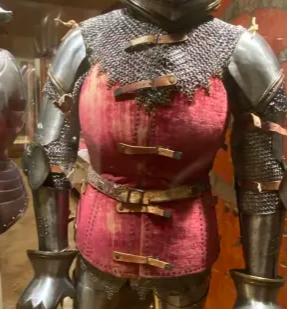
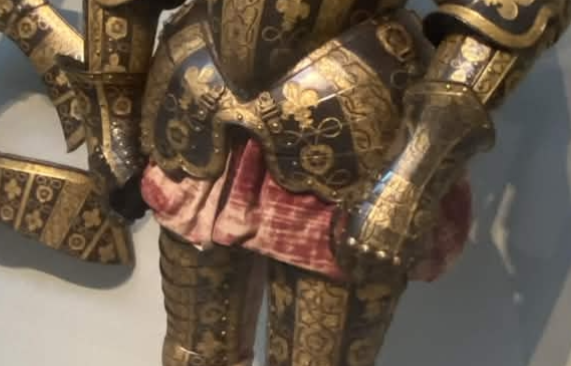
I found the visuals of worn velvet to be especially intriguing. Some patches where fibers had worn away revealed another color underneath that contrasted quite nicely. In both examples, it had worn off in straight lines, adding to the visual appeal. I wonder if there is a way to create this effect with velvet fabric intentionally, as I would love to include it in a design someday.
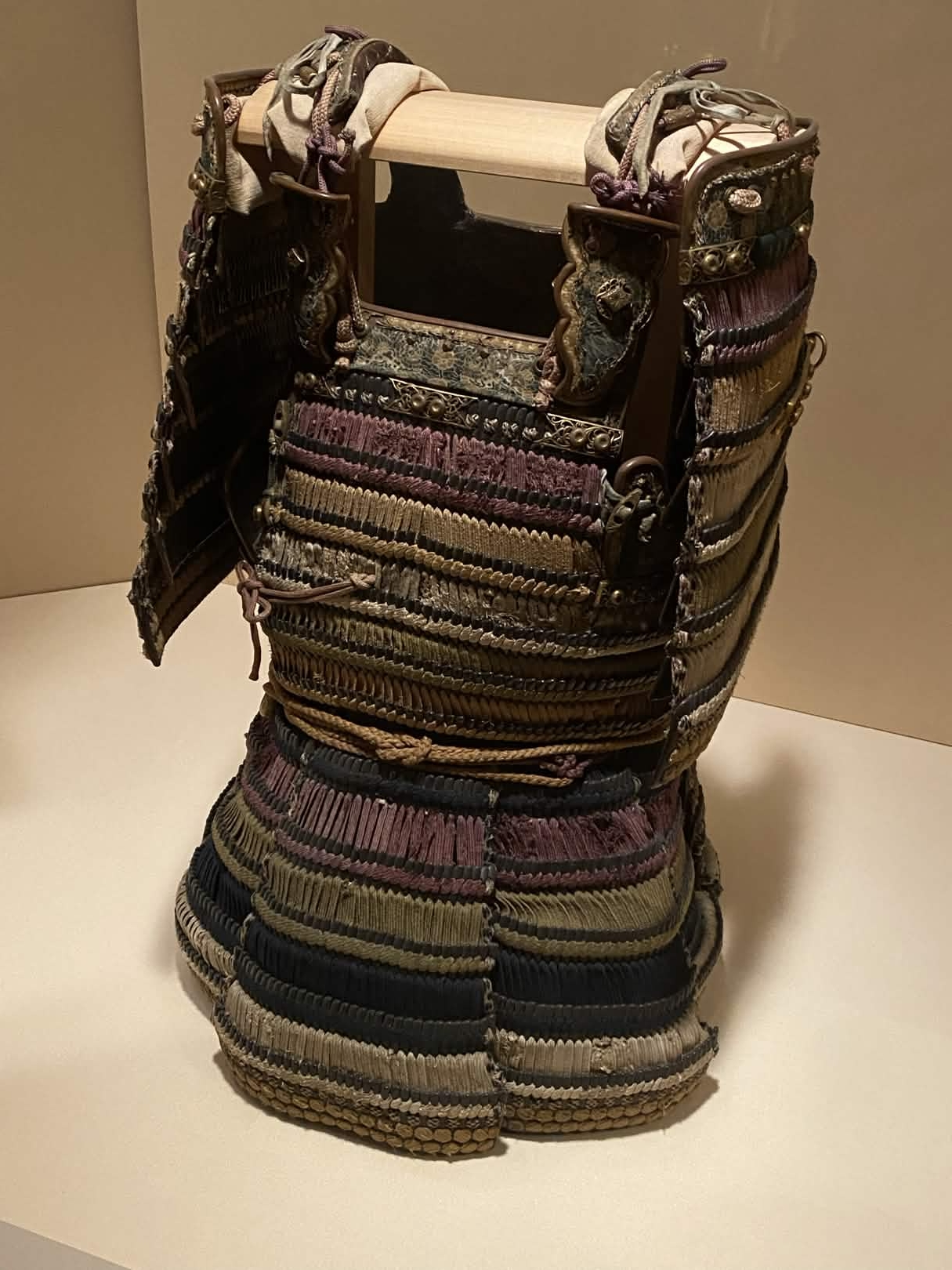
This piece of Japanese samurai armor displays beautiful neutral colors with a pop of dusty purple. This is one of the most beautiful color schemes I have ever seen on a garment! This installation made me realize that ornately decorated armor can be seen across all countries and time periods. One of the tour guides even joked to us that armor was like jewelry for men. It is not separate from the fashion at the time at all, just another way for people to express their power and identity.
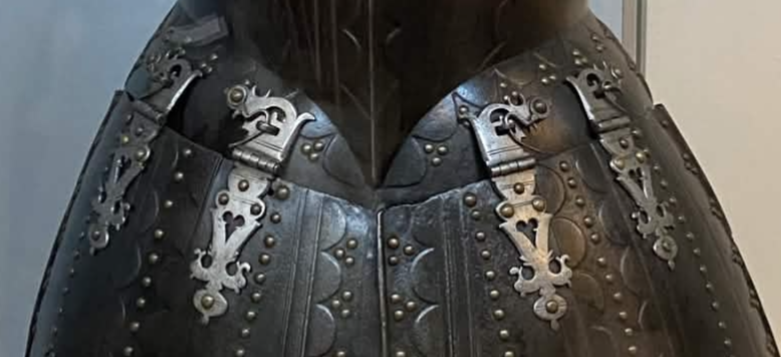
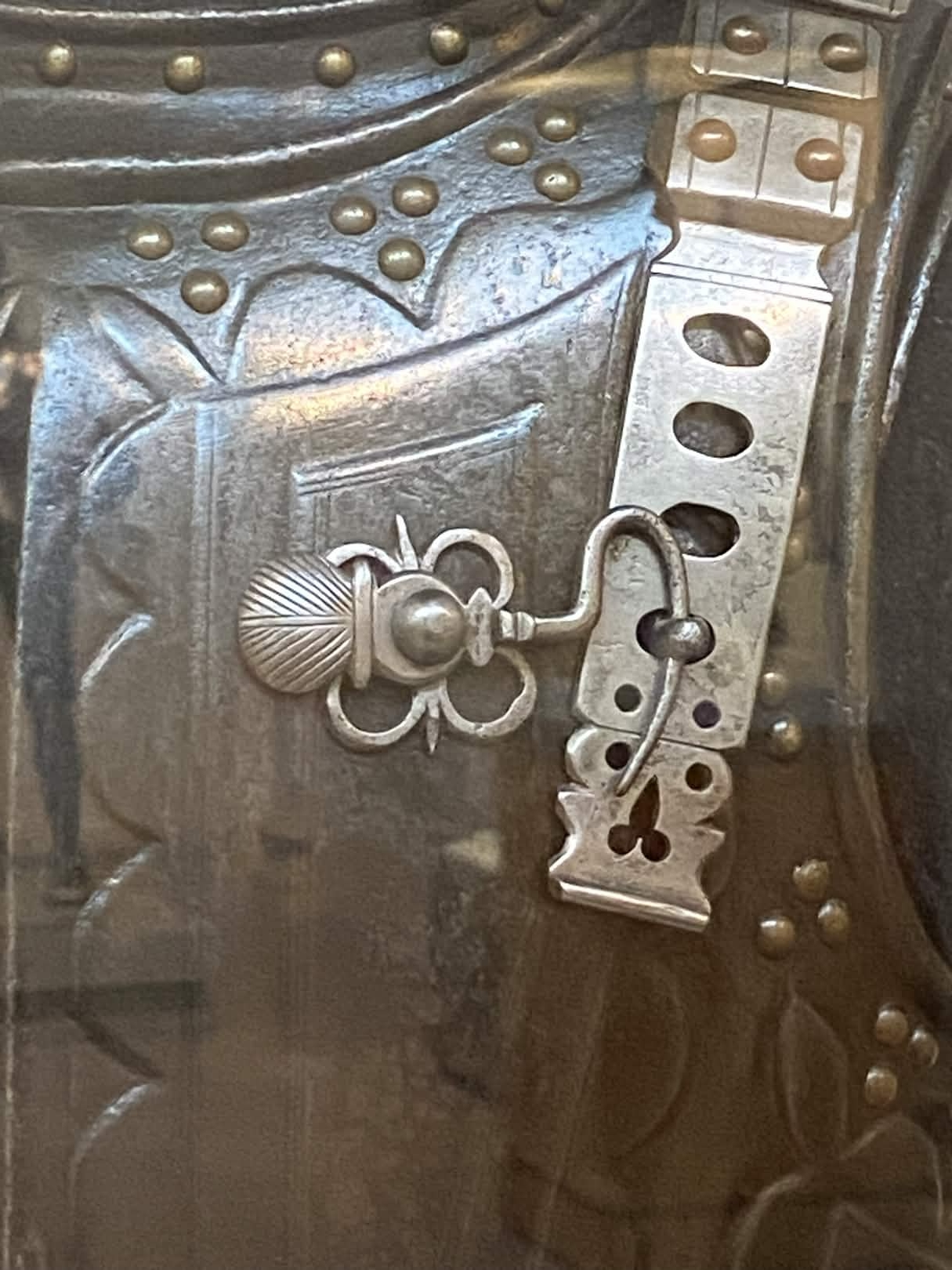
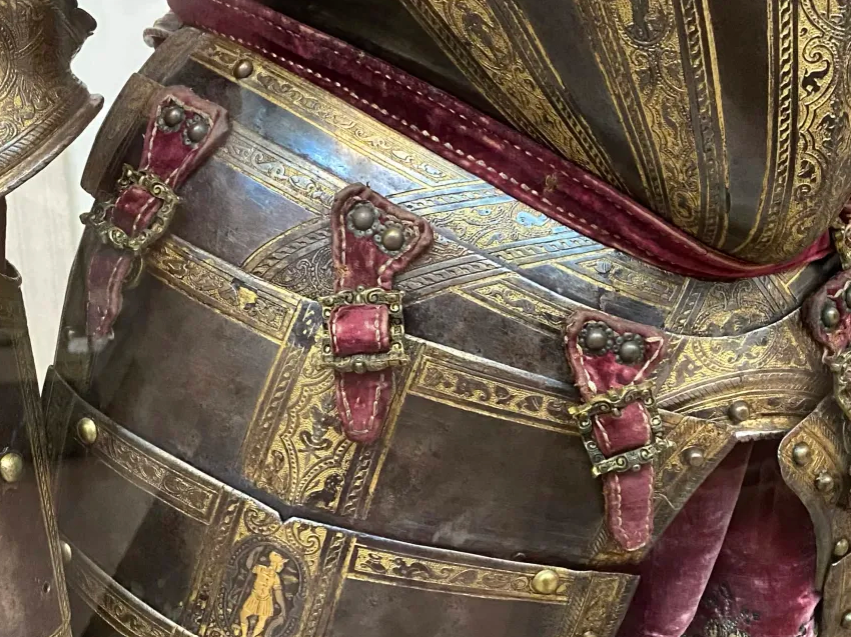
The armor exhibit had many examples of beautifully made clasp, buckle, and stud attachments as well. As my skills improve, I would love to include hardware like this on some designs. It instantly adds both a sense of intricacy and edge.
I took a guided tour through the museum that focused on fashion in the arts. Mostly, we looked at European portraits. A technique called Slashing was popular in clothing from the 16th to 17th century. Apparently, wealthy individuals were inspired by mercenary soldiers whose clothing was torn in battle. This technique caught on because it allowed expensive undergarments to show through the top layers of clothing.
One popular fabric of choice was brocade, a heavy ornate weaving that often included gold threads. I found it interesting that such a display of wealth could have roots in war. I wonder if in addition to being seen as wealthy, these upper class people were trying to sell the image of being brave or honorable without ever having to experience violence.
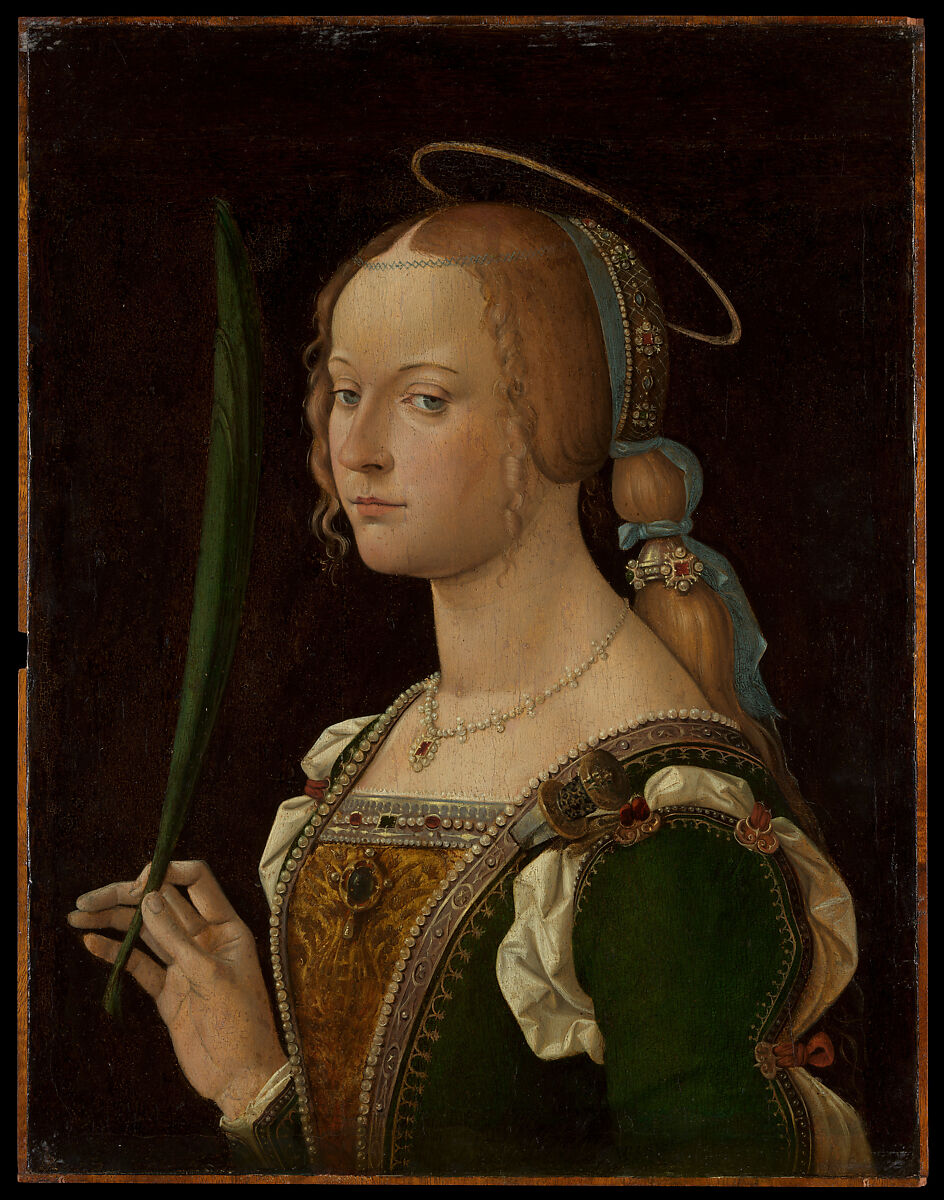
During the Renaissance period, pearls were one of the rarest gemstones money could buy. Pearl farming did not exist yet, so the only way to harvest a pearl was to find one that had formed naturally. It is estimated that only 1 in 10,000 oysters contained a pearl! The upper class used pearls on their clothing and jewelry as a display of wealth and status. The woman portrayed in this painting would have been extremely wealthy.
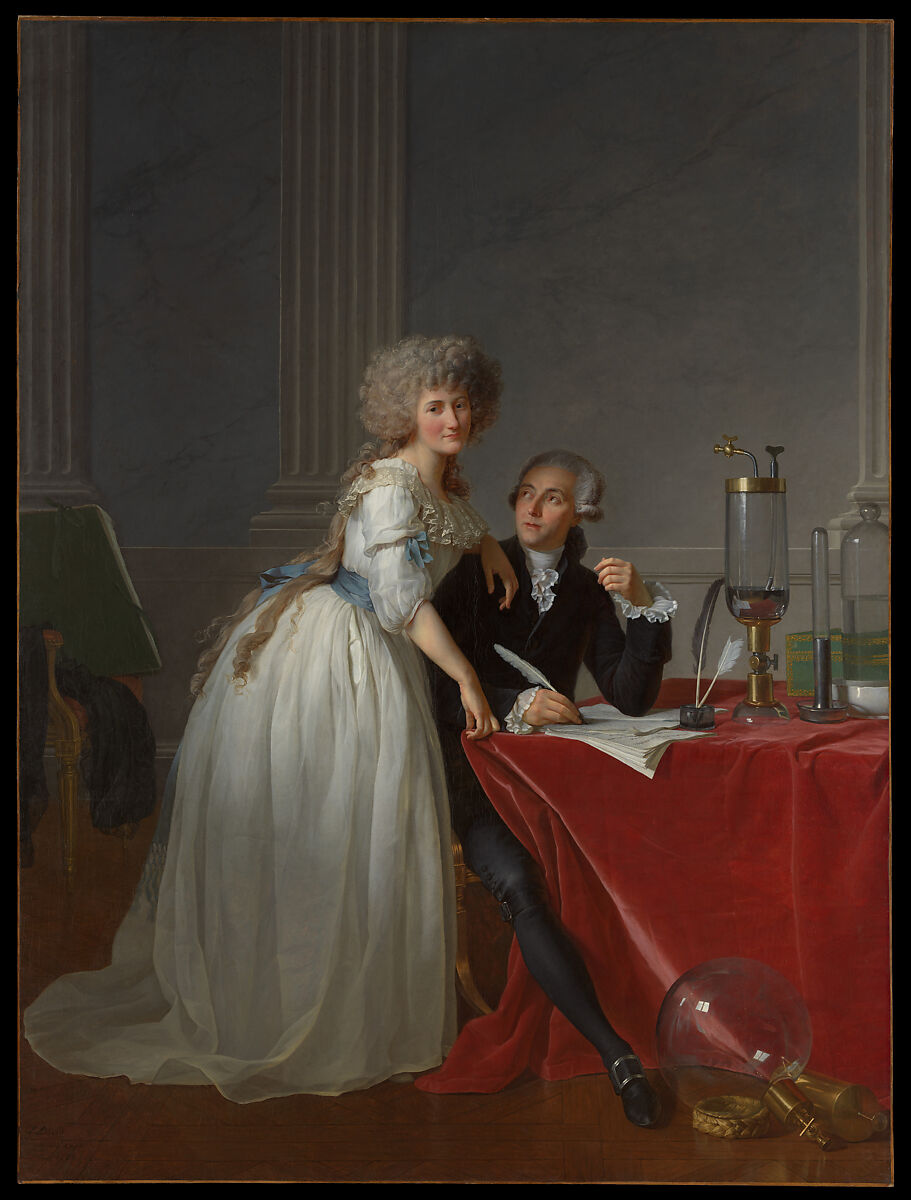
Marie Antoinette enjoyed spending time at her farmhouse in Hameau de la Reine. Here, she dressed down and role-played life as a peasant milkmaid. This inspired French women to emulate her style of wearing simple cotton dresses similar to the one shown here. This actually caused the silk business to struggle because so many women were opting for simpler garments. Many people lost their jobs in the silk industry, which ultimately increased tensions leading up to the French revolution. I found it fascinating how such a simple fashion choice could directly affect the outcomes of history.